I was recently asked if the fertilizer shortage caused by the closing of the Strait of Hormuz was going to cause problems for our homestead. There are many reasons that I am against this war, but I am glad to say that needing fertilizer from across the globe is not one of them.
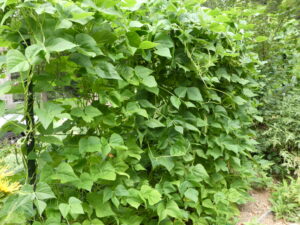
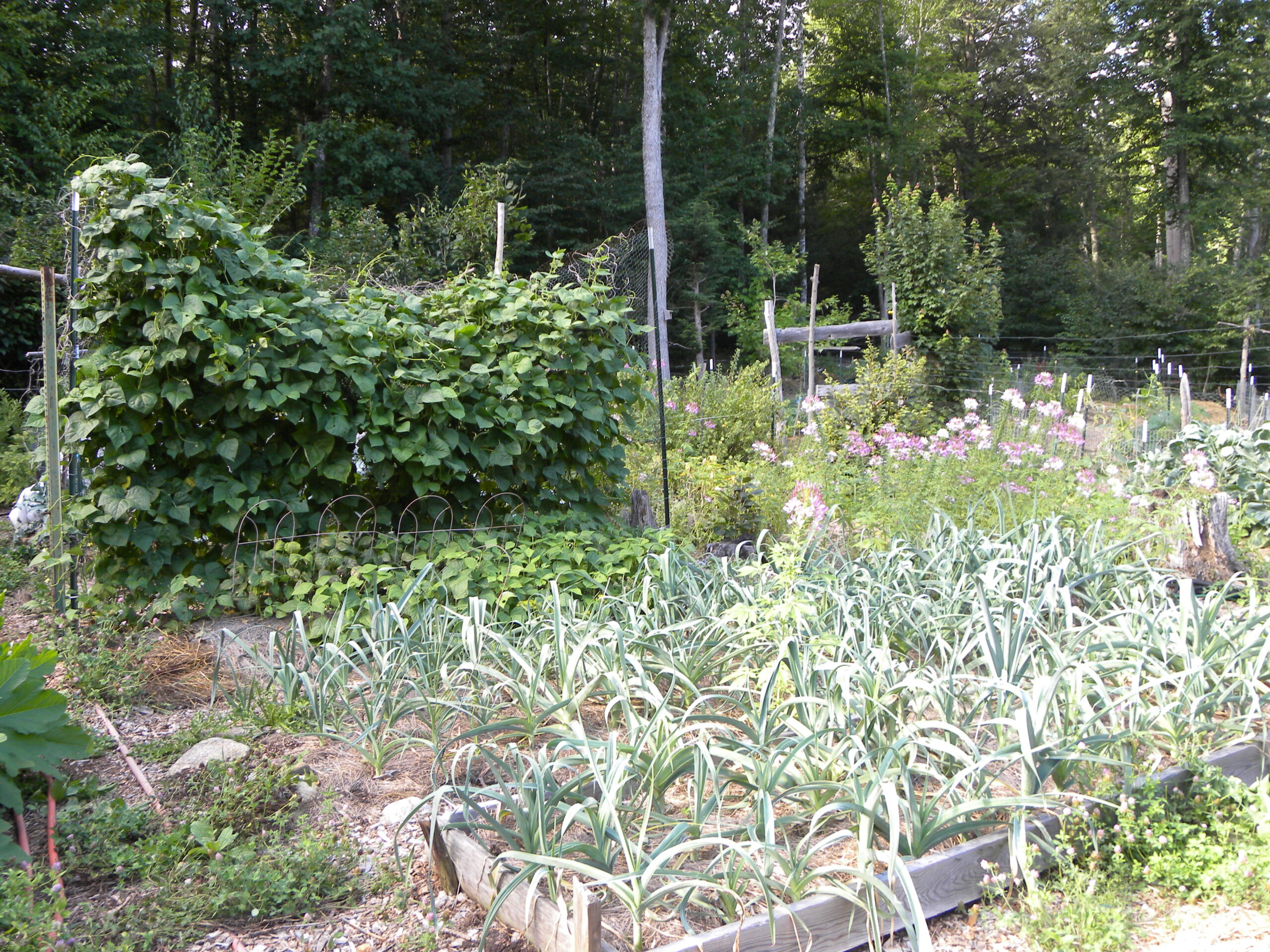
Rattlesnake Pole Beans Climbing
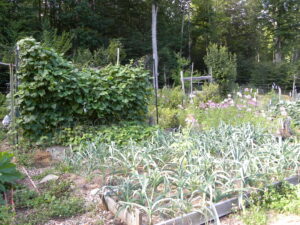
The main reason for that is that we do not use synthetic chemicals on our land. Commercial nitrogen was invented about 100 years ago while plants have thrived on land for about 500 million years. So, I am quite convinced that chemical fertilizer is not a necessity. (See the pictures in this post of our gardens and judge for yourself if plants can do without it.)
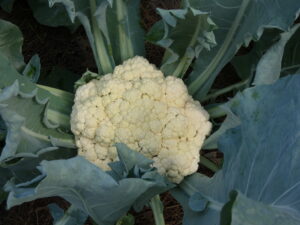
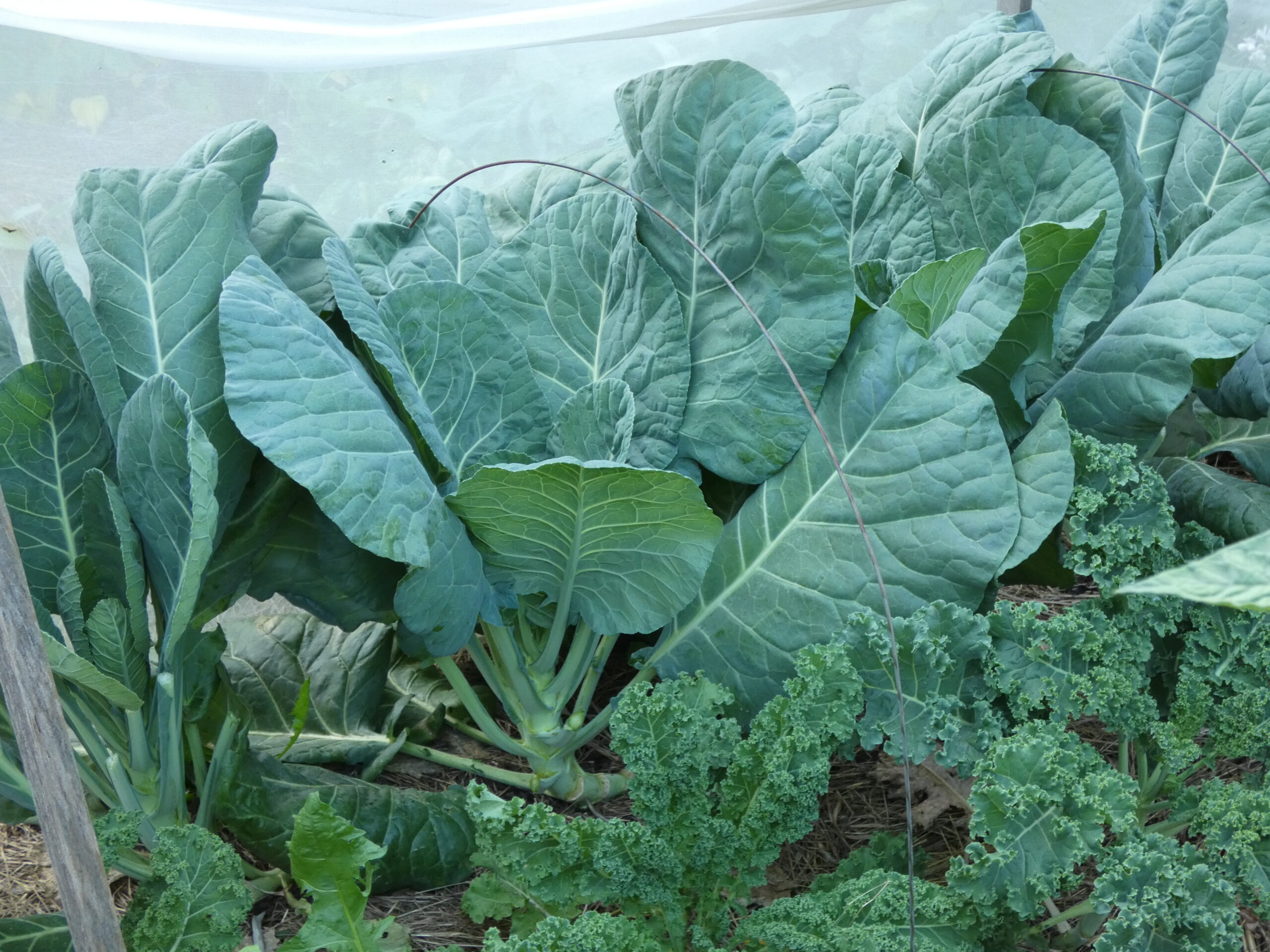
2026 has been our best cauliflower year
In fact, fertilizers are not only unnecessary, they are a huge problem. Pollution is one major effect. About 80% of applied nitrogen is lost to the environment polluting land, water systems and the air and atmosphere. They also negatively impact soil ecosystems by decreasing soil life and reducing organic matter. Thus, our soil releases more carbon into the atmosphere, plants are not as healthy, and our food is not as nutritious.
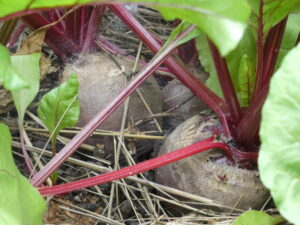
Beets need phosphorus and potassium more than nitrogen to get this big
Permaculture principle 6 teaches us to Produce No Waste, to instead value the byproducts of one system as inputs into another. This is entirely how natural systems work – like the way plants breath out what we need to breath in and vice versa. Humans have managed to create a few products that defy this rule – plastic and nuclear waste top the list – but it’s otherwise easy to notice around us and apply the principle ourselves. We do this by reusing, repurposing, recycling, composting and more. We can approach fertilizing this way, too, with nitrogen fixing plants, and animal waste – including human animals.
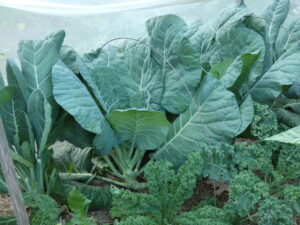
Leafy greens need lots of nitrogen
Maybe people are unaware that urea, the common nitrogen fertilizer, is from mammalian urine. A synthetic kind is made industrially to sell to farmers. So, on the one hand we are using clean water to flush our own urine to expensive and often ineffective factories to be processed into less of an environmental hazard. Meanwhile, we are going through another expensive technological process to make synthetic urine and use further scarce resources to ship it around the world.
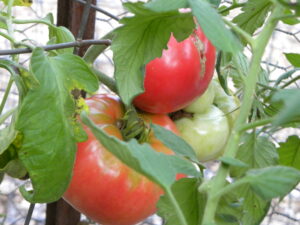
Tomatoes also need plenty of nitrogen
The easier, cheaper, safer way is simply to use our (and livestock) urine on our pastures and fields. This puts the power back in the hands of food growers and cuts out so many resource-intensive steps. The Rich Earth Institute in Vermont has done extensive research into the safety and efficacy of using urine. Their findings are very encouraging. They are working to educate and implement systems in this country. Other countries are ahead of us on this.
Maybe the biggest obstacle is the social taboo about even talking about human excreta. But I think we can overcome that.
This is an opportunity to turn a problem into a solution and to create a more circular economy at home. Urine diversion has worked extremely well for us here over the past few years. Let’s practice principle 6 – there’s no such thing as waste!