Category Archives: Chickens

Harvest In Charge

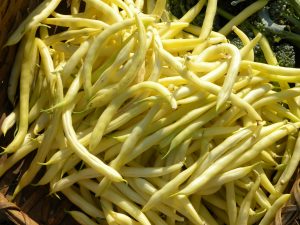
Gold Rush Beans

There is food to pick here as early as April, but true harvest season kicks in as August approaches. Our goal is to not only grow for eating in the summer, but to provide for ourselves year-round. That’s a lot of food for us to bring in and preserve in a short window of time. Thus, in August and September our harvest is my biggest focus – in fact, it really takes over my life! I have learned to plan for it, to free up much of my schedule otherwise and to let people in my life know that emails, calls and letters are not likely to be answered this time of year. I can chart out approximately when I’ll need to do what, but every season has variations so I have to be flexible and willing to change directions. It’s a good but uncomfortable exercise for a person who really likes to follow her list.

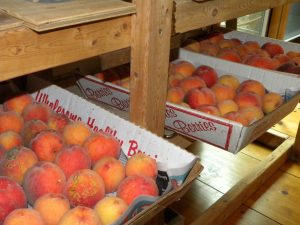
Peaches Waiting to be Canned

Peaches are particularly demanding – when they are ready, I preserve them or lose them. With the great success of that crop for us this year, days

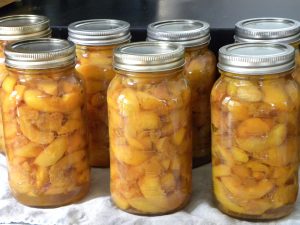
I canned 89 quarts of peaches this August, all from our own trees!

that I had planned to work on other projects turned into peach canning days. The peaches were simply in charge!


Some of our other big production crops aren’t quite so picky, they will give me days or even weeks of leeway. But being responsive has rewards. Pulling the garlic when the third leaf of the plant dies back, gives the bulbs the best storage life. I’ll still get great garlic after the fourth or fifth leaf withers, but it likely will not last as long. The root crops can sit in the ground until I’m ready to eat them or put them in the root cellar, but the voles will get a bigger and bigger

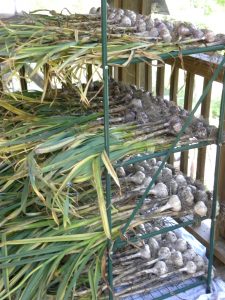
The garlic is pulled and put out to dry at the end of July.

share as time moves on. The winter squash in the field next to their dying vines are exposed for other critters to gnaw on, too. Our corn is a storage not fresh eating variety so is fine with a long season out there, but we have competition for them as well.


It’s true for our animals, too. Our heritage breed chickens take four months to reach their full size. By then, not only are they taking up space and food without gaining weight, but the roosters have been crowing loudly for about a month and it isn’t long until they will start fighting each other. They have many ways of telling us this is no longer a sustainable, safe situation.

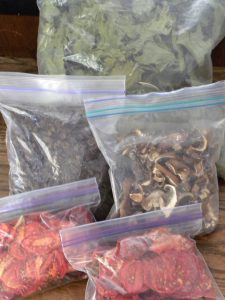
Dehydrated kale, mushrooms, tomatoes and raisins can last for years.

All of our charges – plants, animals, bees – have their own schedule and their own plans. For best results, we learn their rhythms and work to fit ourselves into their calendar, although of course our management decisions are important, too. This is all good practice for remembering our interconnected, cooperative place in the world and re-learning how humans are not in charge but are part of a complex, ongoing dance. Which brings me to a last, philosophical thought for this blog entry…

Just recently I learned, to my great surprise, that when Charles Darwin talked about “survival of the fittest” he meant that those best adjusted to and able to fit in to their environment were the ones that succeeded. His ideas and work were misinterpreted and co-opted to justify competitive, dominant and bullying behavior. In fact, the evidence that cooperation, compassion and flexibility are much more prevalent and useful tactics has become overwhelming.

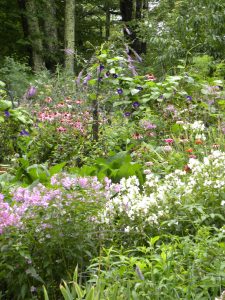
Diversity Supports Health

By the way, he did not say that “fitting in” meant becoming like everything else – in fact, it is through diversification and specialization that competition is often avoided and much energy is saved.

All of this really blew my mind as it is so far from what I was taught earlier in my life. Exploring these ideas over the past few years has reshaped my view of the world, freeing and inspiring me. Permaculture has been a part of this journey with our principles of valuing diversity (#10), embracing relationship and cooperation (#7 & 8) and being willing to learn and change (#1, 4 & 12). I value these opportunities to see and practice such skills – even if they’re currently tiring me out!

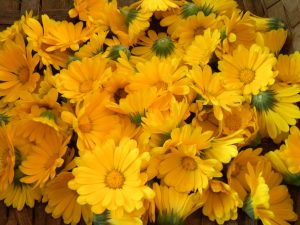
Don’t forget to preserve for medicine as well as food! Calendula can be dried for later salves and balms.

2 Comments

Filed under Chickens, Food Preservation, Gardens, Interdependence, Permaculture principles, Uncategorized

2020 on the Homestead

Gardens in August 2020

During our cold New England winters, I take time to review and assess the year that has passed. We just completed our harvest tallies, this is a good moment to reflect.

Many have been analyzing 2020 from multiple perspectives. From a homestead focused point of view, I have to title this the Year of More Drought (2016 was already the Year of Drought). Beyond that, I’d say it was a Year of Contradictions, when we felt both more isolated from people yet aware of how connected we all are and when we had a stronger sense of the importance of our work localizing food production even while weather conditions made it harder for us to succeed.

I’ll start with some overviews then share our totals with you. As in my 2018 and 2019 reviews, I’ll focus first on areas where we had problems this year or in the past.
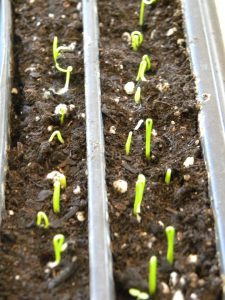
Leek Seedlings

Starting Seedlings

I am happy to report that we had another good seed starting year using the commercial but peat-free seed starting mix from Organic Mechanics. I still have a longer term goal of making my own very locally sourced mix but have let that go for the moment. The failures I did have were in the brassica category (broccoli, cauliflower & brussels sprouts) and those were due to my attempt to use up some older seed. Yes, I already ordered new seed of these for the 2021 growing season!

Rodents, Pests and Diseases

Our experience in 2020 was of moderate pest pressure. At first, there was very little, but as the drought continued, more creatures were driven towards us, and our plants were less able to defend themselves. Our summer squash was taken down early by squash vine borers, Colorado potato beetles began to get out of hand, and voles spent more and more time in our root crops. Also, a flock of goldfinches managed to open up and eat almost all of our corn (popcorn and dent corn). I could have brought the corn in earlier but didn’t realize what they were up to – we’ve not seen that here before.

Labor

Having enough time and energy to get tasks accomplished will likely always be a challenge. I did plant less of some labor intensive crops – especially snap beans – and I decided to be more willing to share with our animals if I was overwhelmed with produce. Honestly, what really helped was our reduced yields because of the drought and that I had extra food preserved from our great year in 2019 so didn’t need to do as much canning, freezing and drying.
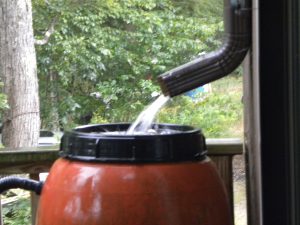
Rain Barrels Were Not Enough in 2020

Drought

The drought that began in early summer and extended through the fall was our biggest challenge.

We are grateful to have found and implemented permaculture methods that make us much more drought-tolerant especially by creating healthy soil… but there are still limits to that. We can water the garden to some extent, but not enough to make up for extended dryness. The rain barrels and ponds can keep us going for a couple of weeks, but after that we are drawing from our well which we also need for our house supply. You can see in our produce totals how yields were down in many categories, some from the lack of water.

We now have plans for more robust rainwater storage systems. Those 50 gallon rain barrels seem very undersized now that our climate is changing so fast.

One newer practice that really helped was our urine diversion system. The real point of it is to capture the nutrients in urine for a natural fertilizer for our landscape, while keeping those nutrients out of water bodies where they are damaging – but all that liquid was a huge bonus. The fields where we were most able to apply it stayed green and lush in comparison to other areas.

Animals: Bees
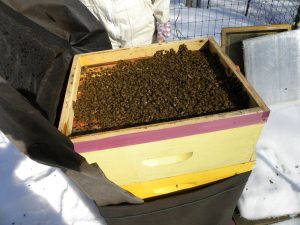
Strong Overwintering Bee Hive, Late Winter 2020

We were off to a good start as we moved towards the spring.  All 5 of my bee hives were alive and well and growing so fast I harvested some spring honey when I ran out of equipment. It was especially heartening to have such success as life in the wider world became scarier.

However, the bees are hit hard by drought leaving them without the amount or quality of forage they need.

I fed them sugar syrup to keep them going and allow them to stock up for the winter, but they have less chance of making it through the winter with sub-par food stored.
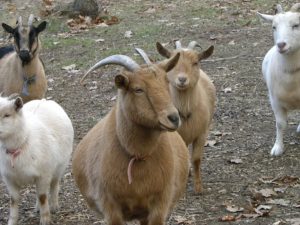
Goat Herd, Led by Honey

Animals: Goats

Unfortunately, we also had our first difficult birthing year with our goats, the one I’ve been dreading all along. We only had two pregnancies.  Georgia had no problems, Honey, however, had a kid get stuck and we could not manage to correct his positioning. We had a vet come to help us but he couldn’t save the two boy kids. Honey had a rough time recovering, but she pulled through and is back in charge of the herd, bossing the others around. I felt SO terrible and upset by the whole incident I seriously questioned whether or not we should keep doing this – maybe I am not skilled enough at dealing with problems to be keeping animals. My goat mentor had some encouraging words, though. She reminded me to consider the many days of healthy, happy living that we arrange for them, which commercially raised animals in this country almost never get a moment of, rather than only thinking about these few bad days. So, we bred again this fall (Cocoa, Luna & Lily) and expect three births in the spring. I’m already nervous! It’s tough – I believe that only people who feel deeply and will cry over animals should raise them – but it’s challenging to be that person.
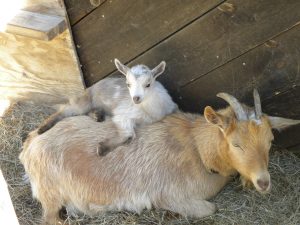
Georgia & Baby, Re-bonded!

We did also have a situation with Georgia’s kid. At about a week old she fell into our swampy area. We didn’t want her to stay muddy and wet so we cleaned her up… but then her mother rejected her, we assume because she smelled “wrong.” She looked the same and sounded the same, but then Georgia would give her a sniff and shove her away. Steve did research and worked with them, holding Georgia still so baby could nurse.  This shifted her scent back to what Mom would recognize. It took about a week, but was a complete success! I have no interest in bottle feeding animals, so it was a huge relief.

Animals: Poultry
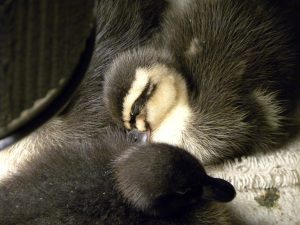
Ducklings, Days Old

This was the year we received a batch of Indian Runner ducklings in the mail again in order to acquire some new genetics for our flock. If they are being shipped there is a minimum order of 12 and that was a lot of ducks to raise in my tub! They did well and we now have 2 new drakes along with our 7 female ducks.

Our chicken hatching and raising also went well, although our drought-stressed pasture was having trouble recovering in time for the next rotation of birds. Also, we had significantly more roosters than hens hatch this year, which was disappointing for some friends who wanted to add to their flocks. Most of the hatching happened in the incubator as our broody girls had minimal success. One mom did sit long
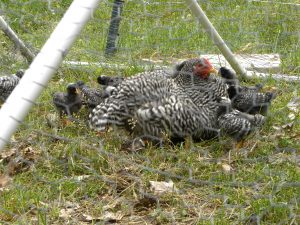
Hen Raised Chicks

enough, but only 2 of those eggs hatched. At least I timed it properly so that I could slip some incubated chicks under her, allowing more to be raised outside by a mom.


Harvest totals
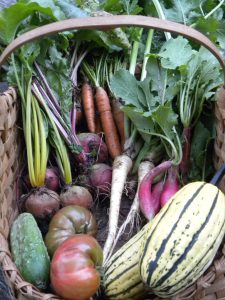
So, after putting in all that work, how much food did we get? The numbers are only part of the story as we think the quality of the food, the satisfaction of living this way, and the many ways this helps us live more ethically and lightly on the planet are a huge part of the reward. Still… we have to get energy back for the energy we put in. Here’s what we tracked (note that this is what came into the house to be weighed so misses what we directly tossed to the animals or what Steve ate in the field), with some comments added:

Alliums – garlic – 31# (160 heads); garlic tops – 142; leeks – 26# (and more leeks still in the ground for winter harvesting)

Beans & Peas – 31# snap beans; 14.5# dry beans; sugar snap peas – 3.5# (we purposely planted less snap beans and peas because of the labor involved in harvesting them)
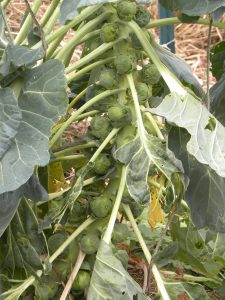
Brussels Sprouts

Brassicas – brussels sprouts – 36.25#; kale/collard – 25.5#

Corn, popcorn – 2# (all I rescued from the goldfinches)

Cucumber – 41# (more was fed to the chickens)

Eggplant – 13.5#

Greens – lettuce – 5#; nettles – 2#

Herbs – basil – 1.75#; dill – 1#
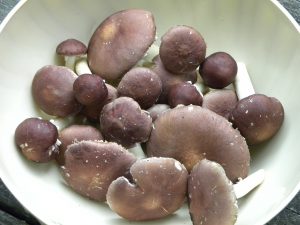
Winecap Mushrooms

Mushrooms, winecap – 3.6# (a new crop for us!)

Potatoes – 93.75# (they suffer in drought, so a small yield of 4.5 to 1)

Roots – beets – 19.25#; carrots – 40.75#; parsnips – 39.5#; radishes – 244, rutabaga – 4#; parsley root – 1# (while germination was OK, the carrots were smaller in the dry weather and some were eaten by voles)
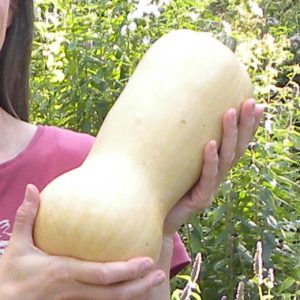
Butternut Squash

Squash – summer – 44.25#; winter – 784# (another great winter squash year)

Tomato – 59.5#

Fruit: crabapples – 50#; currants, clove – 16#; currants, red & white – 13#; elderberry – 6#; grapes – 8.5#; honeyberry – 1#; jostaberry – .5#; mulberry – 2#; peaches – 53.5# (our peach yield was down because our biggest tree had a main limb snap last year leading us to prune it back heavily for its future health); pears (gleaned from off-farm) – 249#; raspberry – 6.5#; rhubarb – 16#; strawberry – 12#; probably 100s of # of gleaned apples which we forgot to weigh

Sea salt – 6 quarts (dehydrated on our woodstove)

Honey – 50# (taken in the spring when they were bursting, before any sign of drought)

We brought in 103 gallons of goat milk and 22# goat meat.

Our poultry harvest came to: 1,751 (150 dozen) chicken eggs from 12 hens; 824 (68 dozen) duck eggs from 7 ducks; chicken meat of about 68#; duck meat about 2#.

Looking Ahead

2020 was a reminder of the limits of our control and even our ability to know what’s coming next in the world. However, planning is a critical skill in permaculture and farming. Timing matters, especially in a northern climate with a short growing season.

So… we are optimistically planning to repeat our routine of plant care and animal raising without many changes this season. We already put in our seed and tree orders with Fedco (good thing, since they now have waiting lists and already sold out of many items) including a few new crops to try. I’m attempting wheat again this year, we are going to try alfalfa as a cover crop, and I’ve ordered two new potato varieties: prada and satina. Improving our rainwater collection system will be the big project of the year.

I also intend to keep writing, so I’ll see you here again!
Lupines
3 Comments

Filed under Chickens, Ducks, Gardens, Goats, Honey Bees, Poultry, Uncategorized, Weather

Food Preservation: Freezing

Our lives and society continue to be marked by uncertainty and worry, but let’s keep talking about food preservation as one part of re-localizing and building real security.

I admit that I don’t find freezing as fun and interesting as the other preserving techniques. While natural freezing in cold climates has a long history, what we’re talking about is using a modern device that requires technology and electricity. That’s not that exciting to me and not

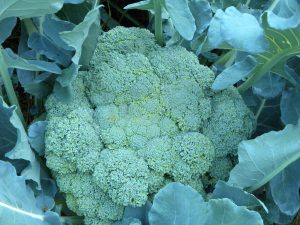
Homestead Grown Broccoli

necessarily sustainable. However, it works so well for a lot of foods, and makes more sense than shipping products all over the globe. So, while we have a reliable energy grid, we use it to keep eating from our own homestead much longer.

My approach is to lean more on the other preservation methods, but turn to freezing in cases where other options don’t satisfy me.

Meat is at the top of my list for freezing. I don’t enjoy dried or canned meat. Other methods of curing and storing meats are not easy for a novice to do. There is a reason “butcher” is an important specialized craft. Years ago I was a vegan. When it became clear that was detrimental to my health and I went back to animal products I vowed to try to be involved in raising them to ensure that they had good lives. The ability to freeze our harvest means I can eat almost exclusively meat from animals that we have raised and processed.

Some veggies I prefer to freeze are eggplant, broccoli, and cauliflower. None of those rehydrate well after drying in my experience. Vegetables do

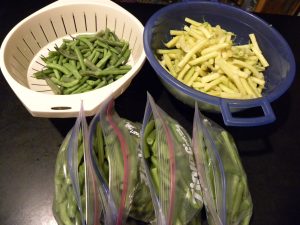
Blanching and Packing to Freeze

best when blanched before freezing. Blanching deactivates the enzymes that are slowed but not stopped by freezing in their breaking down of the food which can lead to mushy veggies once they thaw. I tend more towards actually cooking the veggies before freezing them often. Otherwise I’m blanching them – which is like cooking them a little bit – then freezing, then cooking again once thawed. Why not do more of the

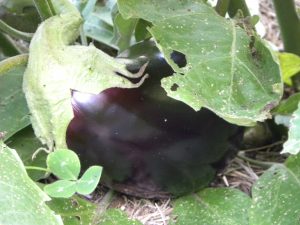
Eggplant Fresh in the Garden

cooking just once up front in the process? This is how I process eggplant – we pan fry them for later eggplant parmesan or cube and cook them to use in a great eggplant enchilada recipe I have.

For the broccoli & cauliflower, I go ahead with the steaming method of blanching and use them later in quiche.

Other items I put in the freezer are: pesto, chevre, salsa, and frozen berries to use later in baked goods.

I also often freeze smaller fruits over the summer as I pick them. Then I can do my canning when I have amassed all the blueberries or currants

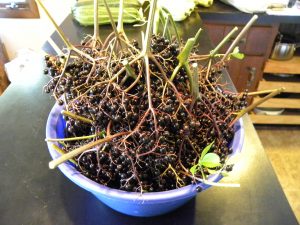
Elderberries Headed to the Freezer

or elderberries I am going to, and even wait until it’s colder and the heat and steam in the house is a positive side effect. Fruits don’t need blanching.

Energy Efficiency

We have both an upright and a chest freezer.  Honestly, they were both given to us so I can’t say we were very purposeful in those choices. But – I have ended up liking how this works for us. Since the freezer fills over the fall then empties as we get to summer, we can consolidate and unplug one as we go along. Chest freezers are better insulated so use less energy. However, things can get lost in there and sometimes all my unpacking and digging around for an item doesn’t seem great for retaining cold. So, if it’s big and we have a lot of it, like meat after fall harvesting, I can stack it in boxes that are easy to move around. For the smaller products that I might not have much of, being well organized in the upright means that I actually find what I need quickly and nothing gets lost for years and never eaten.

Both of our freezers are manual defrost, which saves energy, and I don’t mind doing a yearly thaw and clean out of each of them.

Containers for Freezing

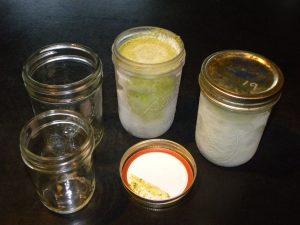
Freezing Pesto in Glass

One concern that came up for me was that everything was being frozen in plastic containers. When plastics are frozen there is evidence that they can leach chemicals such as BPA, PVC, and Pthaltates into the food they are touching.  So, I have been slowly transitioning to using glass. I was initially afraid of it breaking,

Another Container Safe to Freeze in

but a little research and using the right containers really works.  Straight sides and some room at the top of the jar are all that I’ve needed to avoid breakage.

I have never tried vacuum sealing, which sounds like more trouble and expense than it would be worth since I’m happy with how my system is working now.

Note that “freezer burn” is not a safety risk, but can affect taste. To avoid it, use well-sealed containers and let blanched or cooked foods cool before freezing.

Shelf Life

According to The National Center for Food Preservation, “foods are safe indefinitely while frozen“. However, most charts and information out there recommends eating frozen food within a year, so we aim to freeze only what we can use in that time period.

Thawing

It is important to properly thaw foods to keep them safe to eat. The easiest way to do this is put them in the refrigerator ahead of time. Don’t leave your frozen food at room temperature to thaw! 

Consistent Power Availability

Where we live, power outages are not unusual and there have been instances when they last for days. When that happens, my thoughts turn to my freezer full of carefully grown, harvested, prepared and stored nourishment. The CDC states that a full freezer can hold its temperature for 48 hours. So, the question is – do we buy a generator big enough to power this appliance? We haven’t yet… we’ll see what the future brings in terms of increased storms and power issues.

4 Comments

Filed under Chickens, Food Preservation, Gardens, Uncategorized